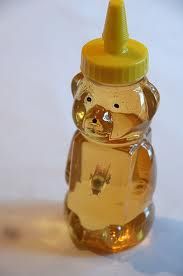
What makes this worldwide drama unusual, other than being regarded as part of the largest food fraud in U.S. history, is the fact that honey, nature’s benign golden sweetener, is the lucrative contraband.
What consumers don’t know is that honey doesn’t usually come straight – or pure – from the hive. Most honey comes from China, where beekeepers are notorious for keeping their bees healthy with antibiotics banned in North America because they seep into honey and contaminate it; packers there learn to mask the acrid notes of poor quality product by mixing in sugar or corn-based syrups to fake good taste.
None of this is on the label. Rarely will a jar of honey say “Made in China.” Instead, Chinese honey sold in North America is more likely to be stamped as Indonesian, Malaysian or Taiwanese, due to a growing multimillion dollar laundering system designed to keep the endless supply of cheap and often contaminated Chinese honey moving into the U.S., where tariffs have been implemented to staunch the flow and protect its own struggling industry.
Continue to read this fascinating story ...
Showing posts with label honey. Show all posts
Showing posts with label honey. Show all posts
Honey - another Chinese import to worry about
Honey and Beekeeping in Slovenia - Škofjeloški Medeni Kruhki (Honey Biscuits)
Our last entry from Heike Milhench, guest blogger for the week and Hippocrene's expert on Slovenian culture and cuisine:
Čebela je kot beseda; ima med in želo.
A bee is like a word; it has honey and a sting.
- Slovenian Proverb
A bee is like a word; it has honey and a sting.
- Slovenian Proverb
 Man has depended on honey as a food and a medicine for thousands of years. However, not until the nineteenth century did modern beekeeping develop as we know it today in Slovenia. The first mention of beehives made of boards is in The Glory of the Duchy of Carniola written by the Slovenian scientist Janez Vajkard Valvasor in 1689. In the mid-eighteenth century, honeycomb boxes were invented in Kranjić, allowing the combs to be moved like drawers. This was an important turning point in apiculture. Anton Janša, a well-known Slovenian teacher of apiculture, developed the method of smoking bees out of their hive to collect the honey.
 Beekeeping in Slovenia has contributed to the country’s most popular form of folk art, with the creation of painted beehive doors, panjske končnice. Dating as far back as the mid-eighteenth century, these painted wooden panels were made at monasteries and originally depicted religious scenes. Between 1820 and 1880, panjske končnice became all the rage and the scenes became profane, depicting humorous or satirical scenes from Slovenian folklore. As an example, a traditional beehive door depicts the devil sharpening a woman’s tongue, and two farmers fighting over a cow, while the lawyer milks the cow. The panels were painted by professional artists and amateurs alike. They used paint prepared with linseed oil, ensuring their longevity. This form of art ended in the early nineteenth century, when larger hives were built. The traditional-style panels are still made today for sale as souvenirs and gifts.
Bees and honey are still important in today’s Slovenia. Honey is produced and sold all over the country for use in bread, cakes and cookies. Beeswax is used to make decorative candles. Mead (medeno žganje) is a honey brandy, which is considered to have medicinal purposes. Pollen, propolis, and royal jelly are all used in homeopathic medicine. Many popular cake and cookie recipes use honey, such as this recipe for Honey Biscuits:
 The Bee List: mead, or honey wine, and wax candles
Makes 60 cookies
 4 cups all-purpose flour
1½ cups honey
1 tablespoon ground cinnamon
¼ teaspoon ground cloves
¼ teaspoon grated nutmeg
Grated lemon peel and juice from 1 lemon
3 tablespoons baking powder
4 tablepoons oil or butter, melted
¼ cup rum or whiskey
Prepare the dough for the cookies. Sift together the flour and baking powder into a large bowl.
Heat the honey until liquid. Add the honey, spices, lemon rind and juice, oil and whiskey to the flour mixture. Stir with a wooden spoon until a dough is formed.Roll the dough out to a floured surface, and knead well.
Return the dough to the bowl. Cover and let rest at room temperature for two days.
On the third day, place the dough in a baking tin and let it sit in a warm oven (100°F or so) for 45 minutes or until the dough is softened.
On a floured surface, roll the dough out until it is ¼-inch thick.
Using a heart shaped (or other style) cookie cutter, cut the dough and place the cookies on a well-greased cookie sheet.
Bake at 300°F for 15 minutes.
After 10 minutes of baking, remove the cookies from the oven and brush them with honey heated with a little water. Return to the oven for the rest of their baking time.
Decorate with frosting as you wish.
Store in a tightly closed container. They are hard, but will soften a little if they are stored in a humid place.
Pictures courtesy of Heike Milhench and Wikimedia Commons.
Subscribe to:
Posts (Atom)


