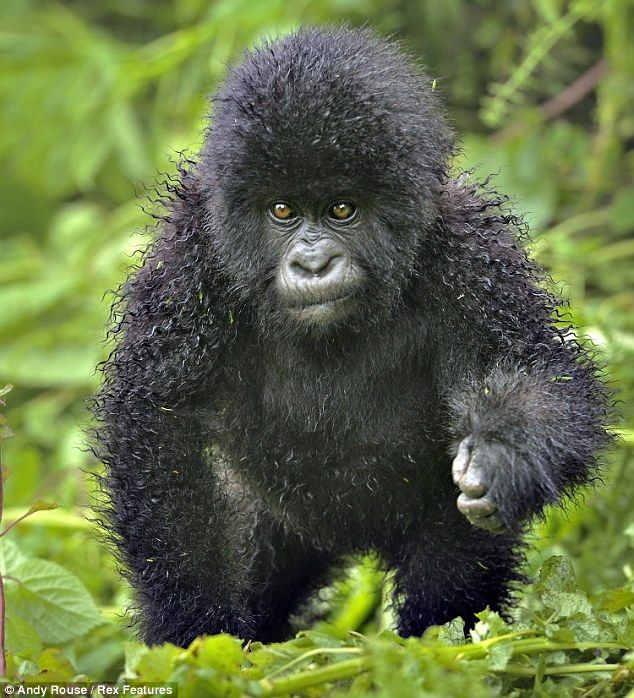
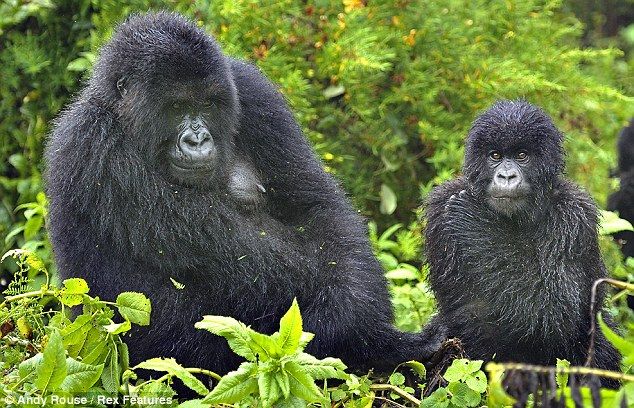
These wild haired primates prove that being a real life gorilla in the mist can wreak havoc with your hairdo.
Looking in desperate need of some frizz-ease, the grizzled gorillas have the local weather to thank for their curly look.
Aren't they cute?
Source
Showing posts with label apes. Show all posts
Showing posts with label apes. Show all posts
Bad hair day
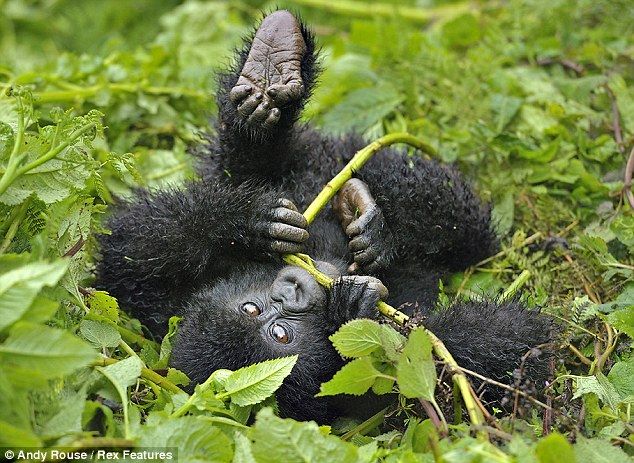
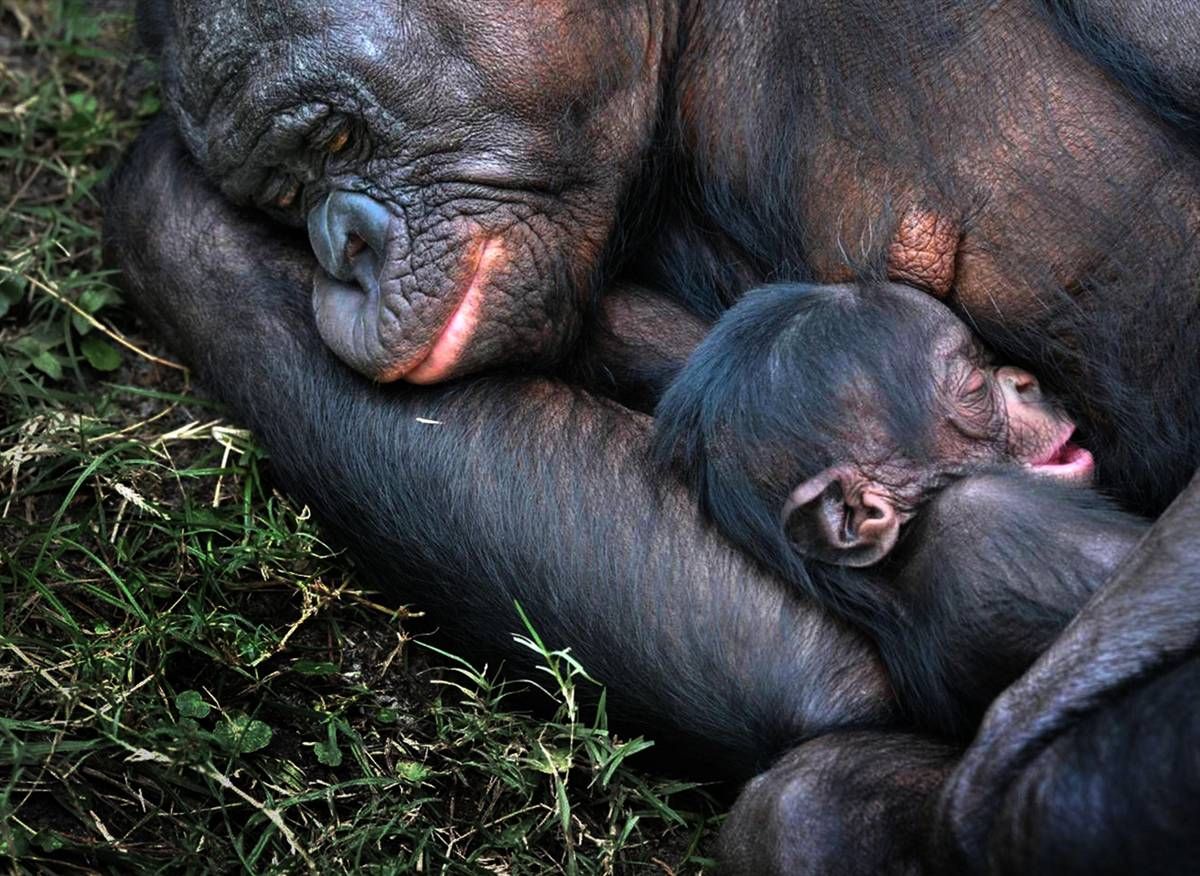
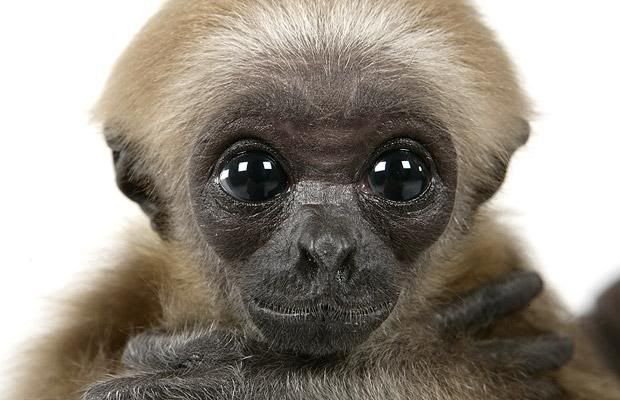
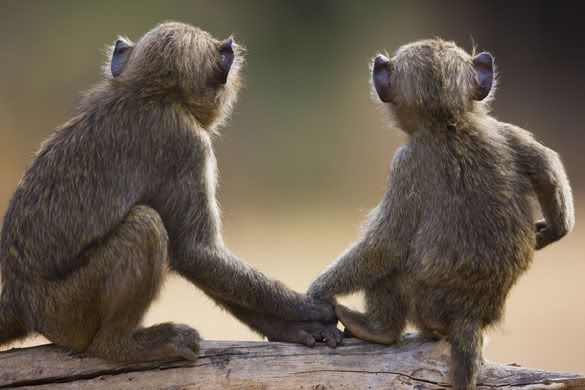

What happens if you tickle a gorilla?
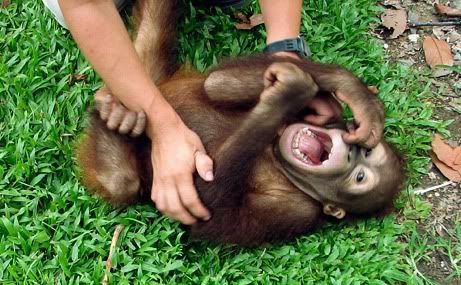
Their findings suggest we inherited our own ability to laugh from the last common ancestor from which humans and great apes evolved, which lived 10 to 16 million years ago.
Primatologist and psychologist Marina Davila Ross of the U.K.'s University of Portsmouth led a team that tickled the necks, feet, palms, and armpits of infant and juvenile apes as well as human babies. The team recorded more than 800 of the resulting giggles and guffaws.
Source
(via Boing Boing)
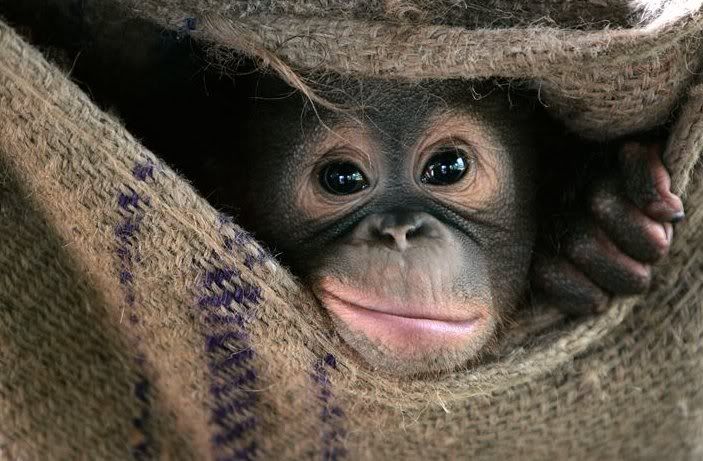

Caution : Possible cute overdose
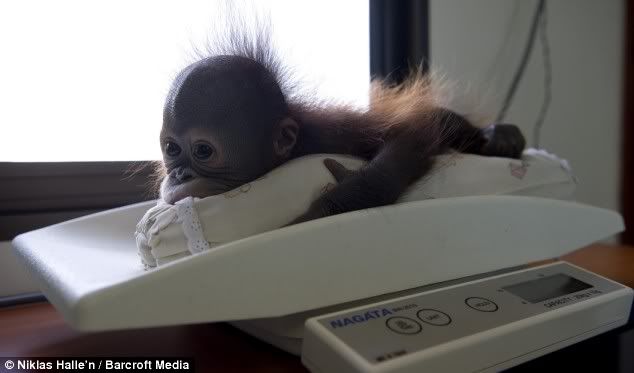
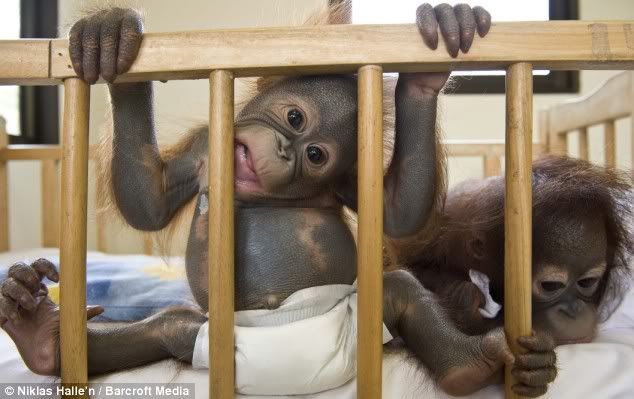
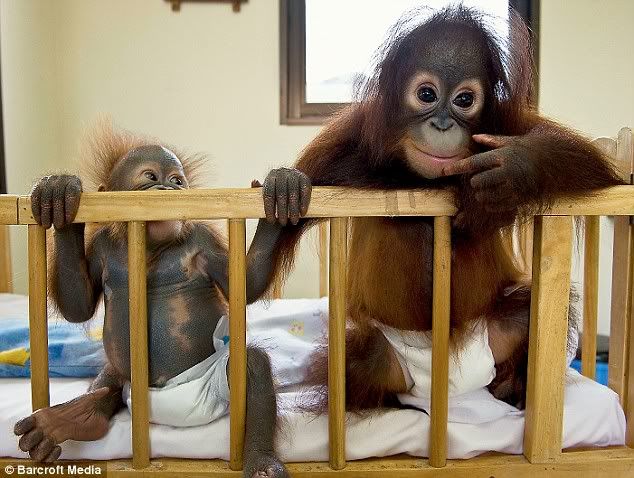
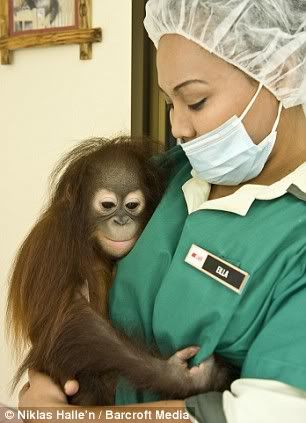
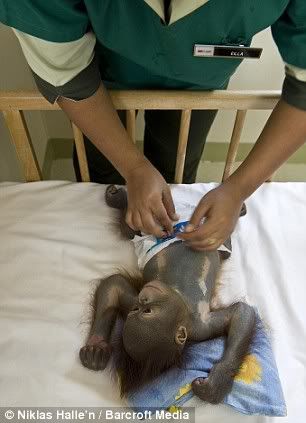
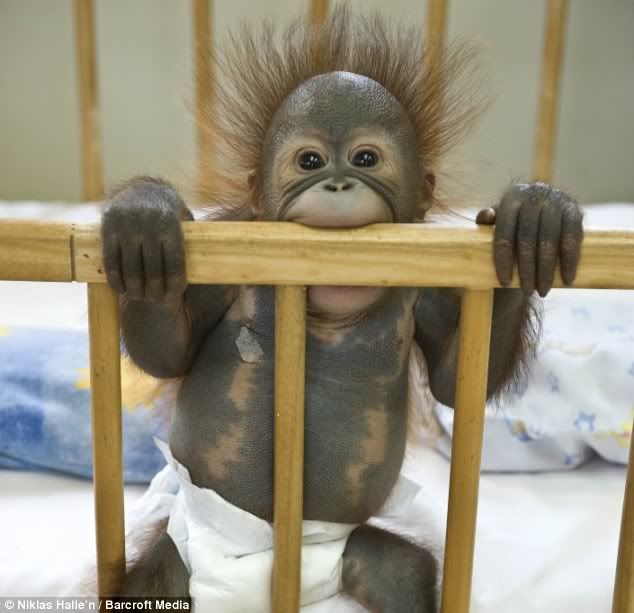
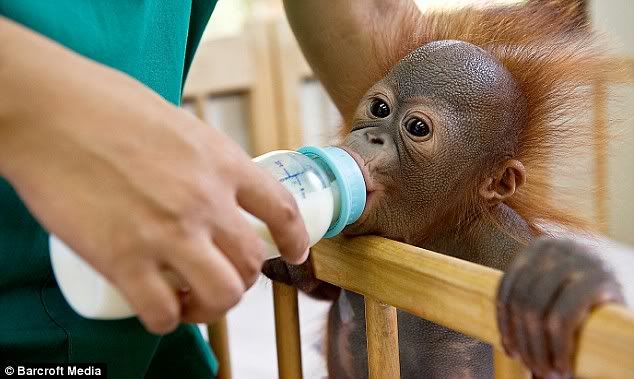
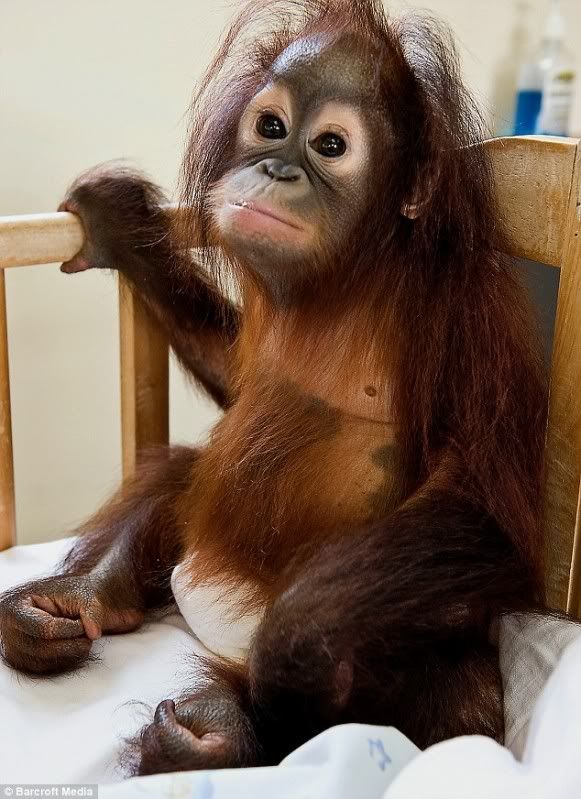
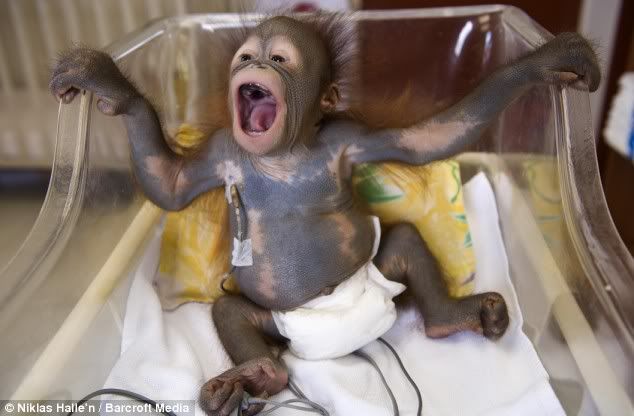
The following photos are from the Daily Mail's story about the Infant Care Unit at Bukit Merah Lake Town Resort - dubbed Orang-Utan Island - located in the Malaysian jungle. It is a very special hospital because all of its patients are from the endangered Borneo species of orangutans, the Pongo Pygmaeus.


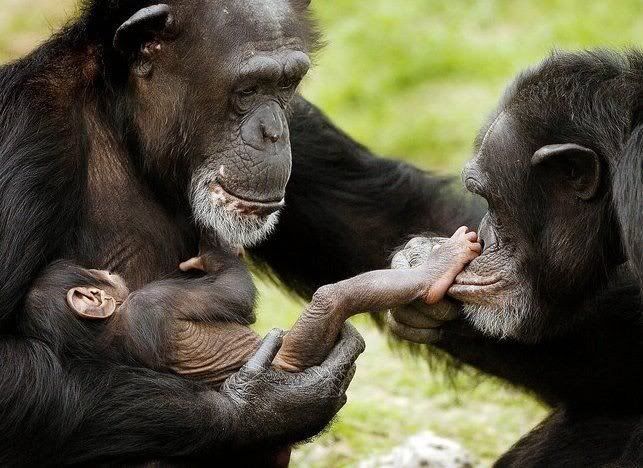

Baby Chimps Given Human Love Are Smarter

When the chimps were nine months old, they took an IQ test normally used to evaluate human infant development. The chimps who had received responsive care aced the test, even surpassing the scores of average human infants tested at the same age.
Source
Subscribe to:
Posts (Atom)


